Stamp Duty Made Simple Rates Registration Fees and Payment Process
Stamp Duty Made Simple Rates
Stamp Duty Made Simple Rates Registration Buying a house, plot, apartment, or commercial property involves more than paying the seller. Buyers also need to account for government charges, and stamp duty is one of the most important costs linked with a property transfer.
Stamp duty is charged on certain legal documents and transactions. The amount is not the same everywhere and may depend on the property’s value, location, ownership type, and local government rules.
For Pakistani readers, one point needs to be clear: the state rates and TNREGINET process discussed in this guide relate to India. TNREGINET is used for registration-related services in Tamil Nadu. Pakistan has its own provincial property registration and taxation systems, although the basic idea of paying government charges when ownership changes is similar.
You Can Also Read: Eservices.tn.gov.in Patta Status Check
What Stamp Duty Means in a Property Deal
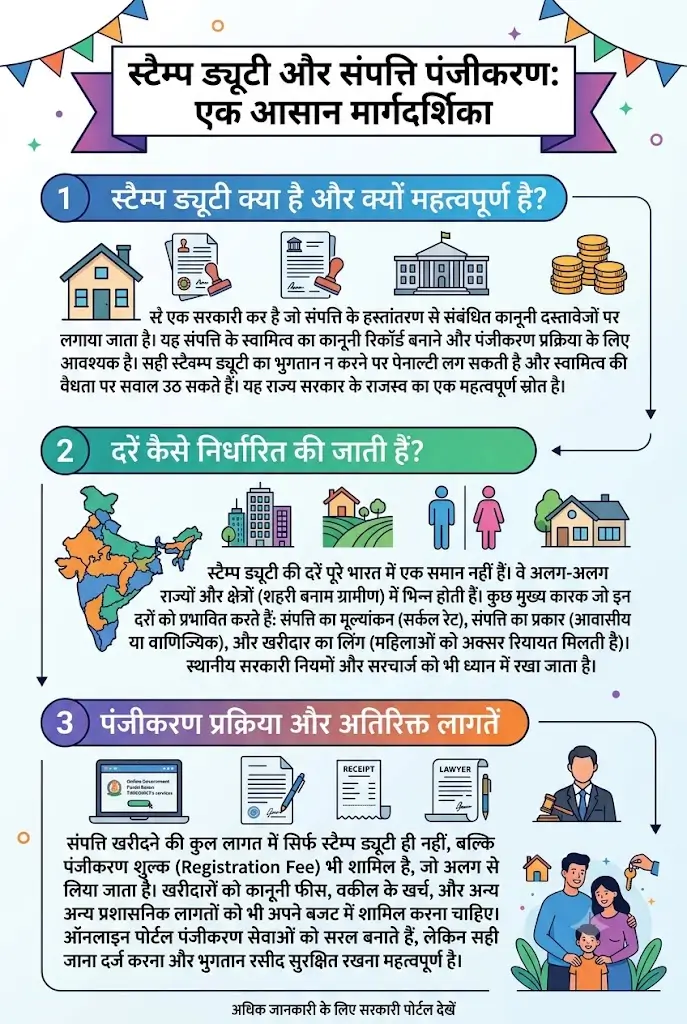
Stamp duty is a government charge paid on certain legal instruments, including documents used to record the sale or transfer of property. When a house, land, shop, or other real estate changes hands, the transaction usually needs proper documentation along with the required government payments.
Paying the applicable duty helps create a formal record of the deal. Properly prepared and registered documents can later be important when ownership is verified, the property is sold again, financing is required, or a dispute reaches a legal authority.
Registration fees should not be confused with stamp duty. In many cases, they are separate charges, so buyers need to include both when estimating the true cost of purchasing a property.
You Can Also Read: Patta Chitta Online 2026
How the Payable Amount Is Decided
There is no single stamp duty percentage for every property in India. The amount may be calculated using the applicable property value and the rate set by the relevant state government.
Location can also change the cost. A property in a major city may be treated differently from one in a rural area, while some states offer concessions for certain categories of buyers.
The main factors that may affect the amount include:
- Property value and type
- Residential or commercial use
- State and local government rules
- Urban or rural location
- Male, female, or joint ownership
- Applicable surcharges or concessions
Buyers should therefore avoid calculating their final cost from an old percentage found online. The current government rate and applicable valuation method should be checked before payment.
Approximate Stamp Duty Rates and Registration-Related Charges
The figures below provide a general overview of selected state rates and other registration-related services mentioned in this guide. They are approximate and should not be treated as final payable amounts.
| Category | State or Service | Approximate Rate or Charge |
|---|---|---|
| Stamp Duty | Punjab | Around 6% to 7%, depending on location and applicable rules |
| Stamp Duty | Rajasthan | Around 5% to 6%, with possible concessions in some cases |
| Stamp Duty | Maharashtra | Around 5% to 7%, depending on city and local charges |
| Stamp Duty | Delhi | Commonly around 4% for women and 6% for men |
| Stamp Duty | Uttar Pradesh | Around 5% to 7%, depending on property and buyer category |
| Stamp Duty | Karnataka | Around 5% to 6%, depending on property value and location |
| Stamp Duty | Gujarat | Around 4.9% to 5%, subject to applicable rules |
| Registration Service | Marriage Registration | Around ₹100 to ₹500 in some areas |
| Registration Service | Birth Certificate | Often free or a small charge for copies or late registration |
| Registration Service | Death Certificate | Often free or a small charge for copies or late registration |
| Registration Service | Chit Fund Registration | Depends on government rules |
| Registration Service | Society Registration | Often around ₹500 to ₹5,000 or more |
Actual charges can change through new government notifications. Property type, location, buyer category, local surcharges, and service conditions can also affect the final amount.
Before making any payment, users should verify the current figures through the relevant state registration department or local sub-registrar office.
Calculating the Full Cost of Property Registration
First-time buyers often focus entirely on the sale price and forget the additional expenses that come with registration. Stamp duty, registration charges, legal costs, and other official fees can add a noticeable amount to the total budget.
A practical way to estimate the cost is to first identify the value on which stamp duty will be calculated. The current rate can then be applied, after which registration fees and any additional local charges should be added.
For example, buying a property for a particular price does not always mean the duty will simply be that price multiplied by a rate found online. Government valuation rules may also affect the calculation.
Before completing payment, check the property location, value, ownership category, and buyer and seller details carefully. Incorrect information can cause delays or lead to the wrong amount being paid.
How to Pay Through the TNREGINET Portal
TNREGINET is connected with registration services in Tamil Nadu, India. People handling property transactions there may use the official portal for registration-related services and available online payments.
The basic process generally involves creating or logging into an account, opening the relevant e-service, entering the required property and transaction details, reviewing the calculated charges, and completing payment through an available method.
Depending on the options offered by the portal, payment may be made through net banking, debit card, credit card, UPI, or challan. Once the transaction is successful, the receipt or acknowledgement should be downloaded and saved.
Users should enter information carefully, including:
- Buyer and seller details
- Property location and category
- Registration area or district
- Applicable property value
- Ownership details
Only the genuine government portal should be used. Unofficial payment links can expose users to fraud or the theft of personal and banking information.
Keep the Payment Receipt and Property Records Safe
The payment receipt is more than a simple confirmation message. It may be required during later stages of registration or when a payment needs to be traced or verified.
Keeping both a digital and printed copy is a sensible precaution. Property documents, payment confirmations, identification records, and related transaction papers should also be stored carefully for future use.
These records may later be needed when the property is sold, transferred, inherited, used for a financing application, or involved in a legal dispute.
Proper Documentation Protects Both Sides
Property transactions usually involve significant amounts of money, so informal agreements can create serious risks. Properly completed documents provide a clearer record of who transferred the property, who received it, and when the transaction took place.
For buyers, these records support ownership verification. For sellers, they provide evidence that the transfer took place under an agreed transaction. They can also be useful if someone later makes a false ownership claim.
Proper documentation does not guarantee that a property dispute will never happen, but it gives both parties stronger evidence than an incomplete or informal deal.
Common Mistakes That Can Delay Registration
Many registration problems begin with simple mistakes. Buyers may use outdated rates, enter incorrect property information, forget that registration charges are separate, or make payments without reviewing the details first.
Another common risk is trusting unofficial websites or online calculators. Such tools may show old information or fail to include local charges and concessions.
Before paying, buyers should confirm the current rate, applicable property value, registration fee, available concessions, and accepted payment method. The details should be checked once more before the transaction is submitted.
Where to Check the Latest Rates
The relevant government registration department is the best place to confirm current stamp duty and registration charges. Official state portals may also provide valuation tools, notifications, calculators, and payment information.
People who are unsure about the online process can contact the concerned sub-registrar office. For expensive or complicated property transactions, professional legal advice may also be useful before signing documents or transferring funds.
Rates published in general guides should always be treated as estimates. The amount payable on the transaction date should be confirmed through the appropriate government authority.
Frequently Asked Questions
What is stamp duty on property?
Stamp duty is a government charge applied to certain legal documents and transactions. In a property deal, it forms part of the process used to formally document the sale or transfer.
Who normally pays stamp duty?
In many property purchases, the buyer pays the stamp duty. However, responsibility can depend on the document and applicable local rules.
How is stamp duty calculated?
It is generally based on the applicable property value and the current government rate. Location, ownership category, property type, concessions, and local charges may also affect the total.
Can stamp duty be paid online?
Many registration authorities provide online payment facilities. For Tamil Nadu, users can check the services currently available through the official TNREGINET portal.
Is registration fee included in stamp duty?
Usually not. Stamp duty and registration fees are generally separate charges, so both should be included when estimating the total property purchase cost.
Why are stamp duty rates different in each state?
Indian states can set their own rates, concessions, and additional charges. This is why the cost of registering a similar property can differ from one state to another.
Do women buyers get a lower rate?
Some states provide concessions to women property buyers, but the rules are not the same everywhere. The latest state policy should be checked before calculating the amount.
What happens if the correct stamp duty is not paid?
Insufficient payment can lead to registration issues, additional duty, or penalties depending on the applicable law. Buyers should confirm the correct amount before completing the transaction.
Can stamp duty rates change?
Yes. State governments can revise rates, registration fees, concessions, and surcharges, so old figures should not be used for a current transaction without verification.
Can stamp duty be refunded?
A refund may be possible in certain circumstances, depending on local rules and the reason for the claim. The relevant registration authority can provide details about eligibility, required documents, and deadlines.
Conclusion
Stamp duty is a key cost in a property transaction, but the exact amount depends on local rules, property details, and current government rates. Buyers should verify the latest charges, use official payment channels, and keep all receipts and registration records safely.